Table of Contents
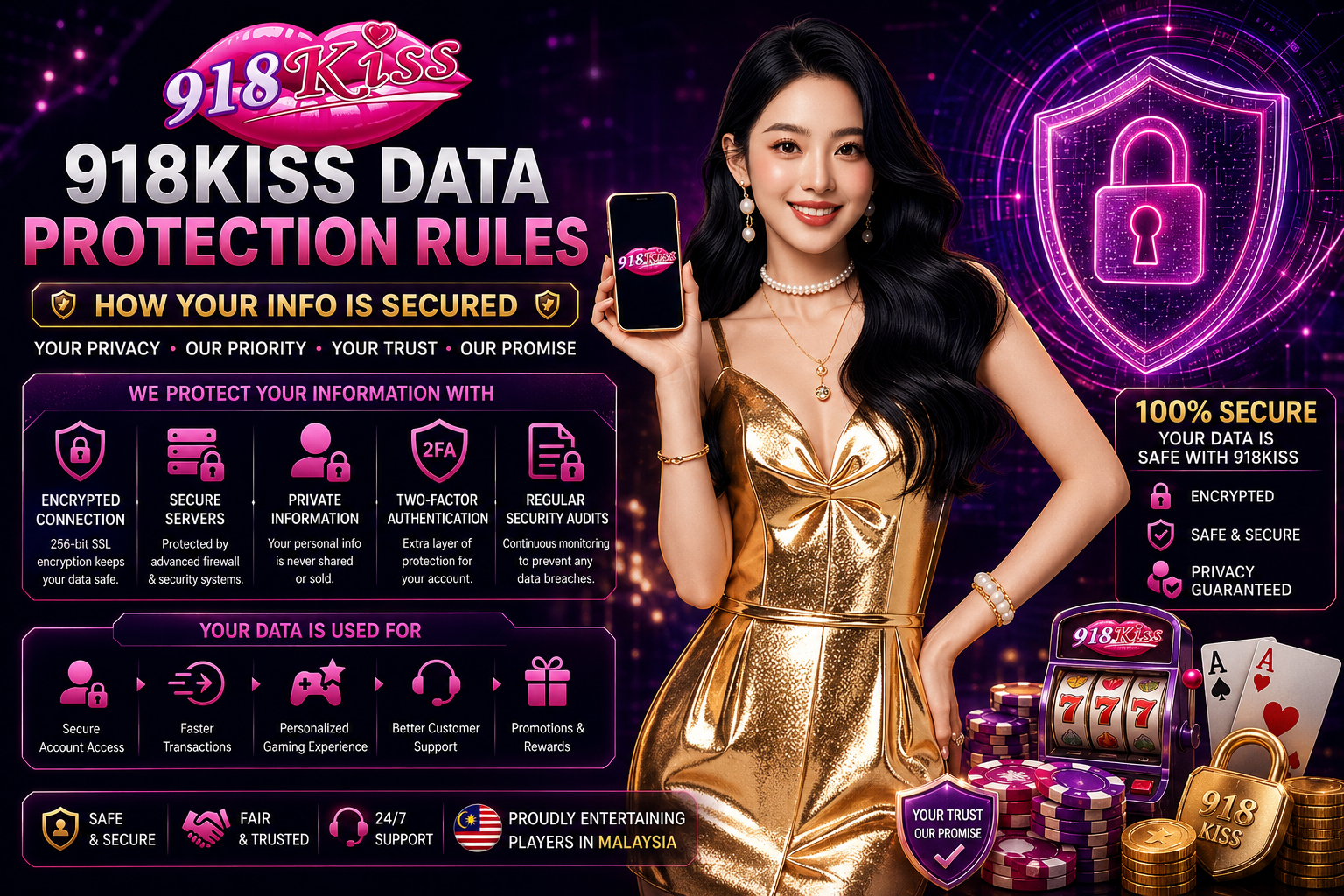
918Kiss Data Protection Rules — How Your Info Is Secured
In today's digital gaming environment, data security has become one of the most important concerns for players. Every time a user registers an account, logs in, makes a transaction, or communicates with customer support, personal information is exchanged and stored. As online gaming platforms continue to grow, protecting user data is no longer just a technical requirement—it is a fundamental part of building trust and maintaining a secure gaming environment.
918Kiss handles a significant amount of user information every day, including account details, device information, transaction records, and communication data. To protect players from unauthorized access, identity theft, and cyber threats, multiple layers of security systems and data protection protocols are implemented behind the scenes.
This guide explains how 918Kiss data protection works, what information is collected, how it is stored, how it is protected, and what players can do to further improve their own account security.

Why Data Protection Matters in Online Gaming
Online gaming platforms process sensitive information that can become attractive targets for cybercriminals. If security measures are weak, users may face risks such as:
Unauthorized account access
Financial fraud
Identity theft
Personal information leaks
Phishing attacks
Strong data protection policies help reduce these risks while creating a safer environment for all users.
For players, understanding how their information is handled provides greater confidence when using the platform.
What Information Is Collected
Like most online platforms, 918Kiss collects certain information to provide services effectively.
Common data categories include:
Account Information
During registration, users may provide:
Username
Password
Contact information
Account preferences
This information allows the system to create and manage player accounts.
Device Information
To improve security and compatibility, systems may collect:
Device type
Operating system version
Browser information
Device identifiers
This helps detect suspicious login activity and improve platform performance.
Transaction Records
Financial-related activities generate records such as:
Deposit history
Withdrawal requests
Transaction timestamps
Payment method details
These records support account verification and transaction processing.
Communication Data
Interactions with customer support may be stored to:
Resolve disputes
Improve service quality
Verify account ownership
Proper management of communication records helps ensure consistent support experiences.
Encryption: The First Layer of Protection
One of the most important security technologies used in modern online platforms is encryption.
Encryption converts readable information into coded data that can only be accessed by authorized systems.
Data in Transit
Whenever information moves between a player's device and the server, encryption protects it from interception.
Examples include:
Login credentials
Transaction details
Personal information
Even if data is intercepted during transmission, encryption prevents unauthorized parties from reading it.
Data at Rest
Information stored on servers is also protected through encryption technologies.
This ensures that stored records remain secure even if physical storage systems are compromised.
Secure Login Systems
Account login is often the first target for cybercriminals.
To reduce risks, secure authentication systems are implemented.
Password Protection
User passwords are typically stored using secure hashing technologies rather than plain text.
This means:
Passwords cannot be directly viewed
Stolen databases are harder to exploit
Additional security layers protect login credentials
Suspicious Activity Monitoring
Systems continuously monitor for unusual login behavior such as:
Multiple failed login attempts
Logins from unfamiliar locations
Rapid device switching
When suspicious activity is detected, additional verification measures may be triggered.
Network Security Infrastructure
The security of a platform depends heavily on its network infrastructure.
Firewalls
Firewalls act as digital security barriers that filter incoming and outgoing traffic.
They help block:
Unauthorized access attempts
Malicious traffic
Automated attacks
Intrusion Detection Systems
Advanced monitoring tools analyze network activity in real time.
These systems can identify:
Suspicious login patterns
Data extraction attempts
Potential security breaches
Early detection allows security teams to respond quickly.
Protection Against Cyber Attacks
Modern online platforms face various forms of cyber threats.
DDoS Protection
Distributed Denial of Service (DDoS) attacks attempt to overwhelm servers with traffic.
Protection systems help:
Filter malicious traffic
Maintain service availability
Reduce downtime risks
Malware Prevention
Security systems continuously scan for:
Malicious software
Unauthorized modifications
Compromised files
This helps preserve platform integrity.
Transaction Security Measures
Financial transactions require additional protection because they involve sensitive information.
Secure Payment Channels
Transactions are processed through protected systems designed to reduce exposure to fraud.
Security measures may include:
Encrypted payment communication
Fraud monitoring
Transaction validation
Verification Procedures
Certain transactions may require additional verification to confirm account ownership.
This helps prevent unauthorized withdrawals and account abuse.
Data Access Controls
Not all personnel have access to user information.
Access control systems ensure that:
Only authorized personnel can access sensitive data
Permissions are restricted based on job responsibilities
Access activities are monitored and recorded
Limiting access reduces the likelihood of internal security risks.
Data Retention Policies
Data protection involves not only storing information securely but also managing how long it is retained.
Information is generally kept only for:
Operational purposes
Security investigations
Legal and compliance requirements
Once data is no longer required, secure deletion procedures may be applied.
Account Verification and User Protection
Verification procedures help protect both players and the platform.
Benefits include:
Preventing account theft
Reducing fraudulent activity
Confirming legitimate ownership
Verification processes may involve identity confirmation, transaction verification, or account activity review.
How Players Can Strengthen Their Own Security
Even the strongest platform security cannot replace good user practices.
Use Strong Passwords
A strong password should include:
Uppercase letters
Lowercase letters
Numbers
Special characters
Avoid using predictable information such as birthdays or names.
Change Passwords Regularly
Periodic password updates reduce long-term exposure to security risks.
Avoid Sharing Login Details
Account credentials should never be shared with:
Friends
Third parties
Unofficial agents
Keeping login information private is one of the most effective security measures.
Verify Website Authenticity
Before entering login credentials, always verify that you are using the correct platform source.
This helps avoid phishing attempts and fake websites.
Recognizing Phishing Attempts
Phishing remains one of the most common online threats.
Common warning signs include:
Requests for passwords through messages
Suspicious links
Urgent security warnings
Unusual login pages
Players should always verify communication sources before providing personal information.
Device Security Best Practices
Account protection also depends on device security.
Recommended practices include:
Keeping operating systems updated
Installing security software
Avoiding public Wi-Fi for sensitive transactions
Locking devices with passwords or biometric protection
Secure devices create an additional layer of defense.
Privacy and Confidentiality
Protecting personal privacy is an important part of data security.
Good privacy practices include:
Limiting unnecessary data collection
Restricting information sharing
Protecting user identities
Privacy protection helps maintain trust between users and the platform.
Continuous Security Improvements
Cyber threats evolve constantly, which means security systems must evolve as well.
Ongoing improvements may include:
Software updates
Infrastructure upgrades
Enhanced monitoring systems
New threat detection technologies
Continuous improvement helps maintain strong protection standards.
The Future of Data Security in Online Gaming
Emerging technologies are shaping the future of security.
Developments include:
Artificial intelligence threat detection
Advanced behavioral analysis
Improved encryption methods
Automated fraud prevention systems
These innovations will further strengthen protection for players in the coming years.
Common Security Myths
Several misconceptions exist regarding online security.
Myth: Strong Platforms Cannot Be Attacked
No system is completely immune to threats. Continuous protection and monitoring remain essential.
Myth: Only High-Value Accounts Are Targeted
Cybercriminals often target any accessible account, regardless of account size.
Myth: Security Is Only the Platform's Responsibility
User behavior plays a major role in overall account safety.
Understanding these realities helps users stay vigilant.
Final Thoughts
Data protection is a critical part of the 918Kiss experience. From encrypted communications and secure login systems to network monitoring and transaction safeguards, multiple layers of protection work together to secure user information.While advanced security infrastructure helps defend against cyber threats, players also play an important role in maintaining account safety through strong passwords, secure devices, and careful online behavior.By understanding how data protection rules work and following recommended security practices, users can enjoy a safer and more confident gaming experience. Strong security is not a single feature but a combination of technology, procedures, and responsible user habits that work together to protect valuable personal information.